Garage Door Spring Maintenance Guide: Expert Tips from Able Garage Door Repair

Understanding Garage Door Springs
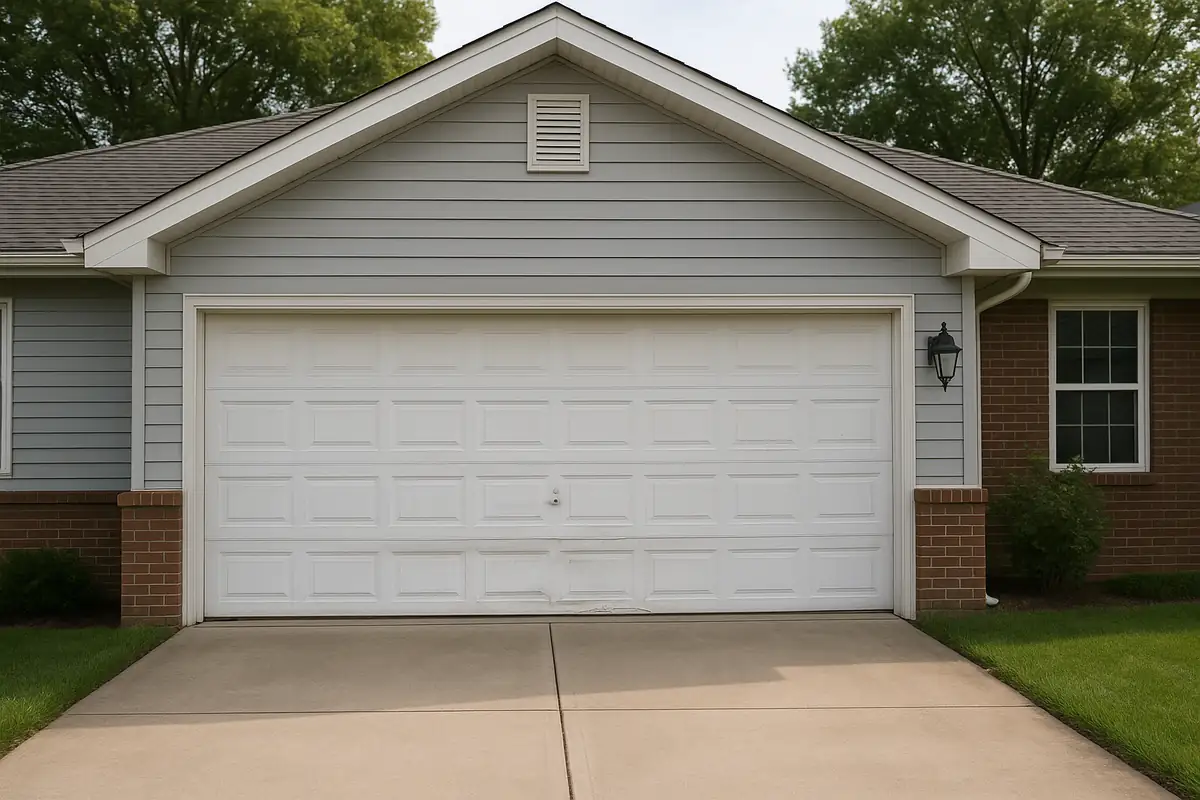
Garage doors are equipped with two types of springs: extension springs and torsion springs. Each type plays a crucial role in the operation of your garage door, providing the necessary tension and support to help the door move smoothly.
Extension Springs
Extension springs are located on either side of the garage door. As the door opens, these springs stretch, and when it lowers, they contract to help pull the door back down.
Torsion Springs
Torsion springs are mounted above the garage door opening and work by twisting to create torque, effectively lifting the door as it opens.
Why Spring Maintenance is Essential
Garage door springs undergo a significant amount of tension during each cycle of operation. Here are some compelling reasons for regular maintenance:
- Increased Lifespan: Proper maintenance can extend the lifespan of your garage door springs by preventing premature wear and tear.
- Safety: A malfunctioning spring can lead to accidents or injuries. Regular checks can help identify problems before they escalate.
- Cost Efficiency: Regular maintenance can save you money in expensive repairs by catching issues early.
Signs That Your Springs Need Attention
Knowing when to service or replace your garage door springs is essential. Watch for these indicators:
- Unusual Noises: If you hear loud bangs or creaking sounds, it may indicate that your springs are worn or damaged.
- Uneven Movement: If your garage door doesn’t open or close evenly, it could signify a problem with one of the springs.
- Visible Wear: Look for rust, gaps, or any visible damage on the springs.
How to Maintain Your Garage Door Springs
Here’s a step-by-step maintenance guide to keep your garage door springs in top shape:
- Inspect Regularly: Every month, visually inspect your springs for signs of wear and tear.
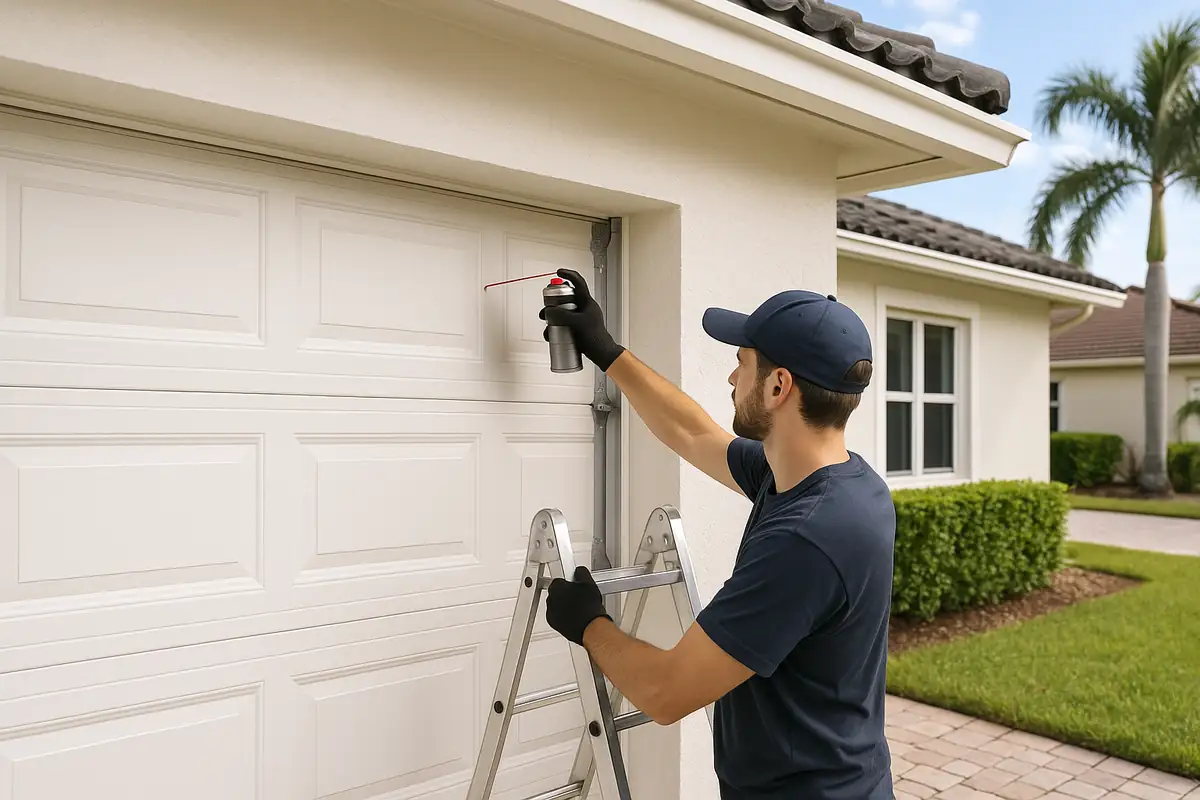
- Lubricate the Springs: Use a silicone-based lubricant to apply a light coat to the springs. Avoid using WD-40 as it can attract dirt.
- Tighten Hardware: Check and tighten all the screws and bolts connected to the springs to ensure they’re secure.
- Check Balance: Disconnect the garage door opener and manually lift the door. It should stay open about three feet above the ground. If not, the springs may be unbalanced.
- Test Safety Features: Regularly test the safety features of your garage door, including the auto-reverse function.
When to Call a Professional
While many homeowners can perform basic maintenance, some situations warrant calling in a professional:
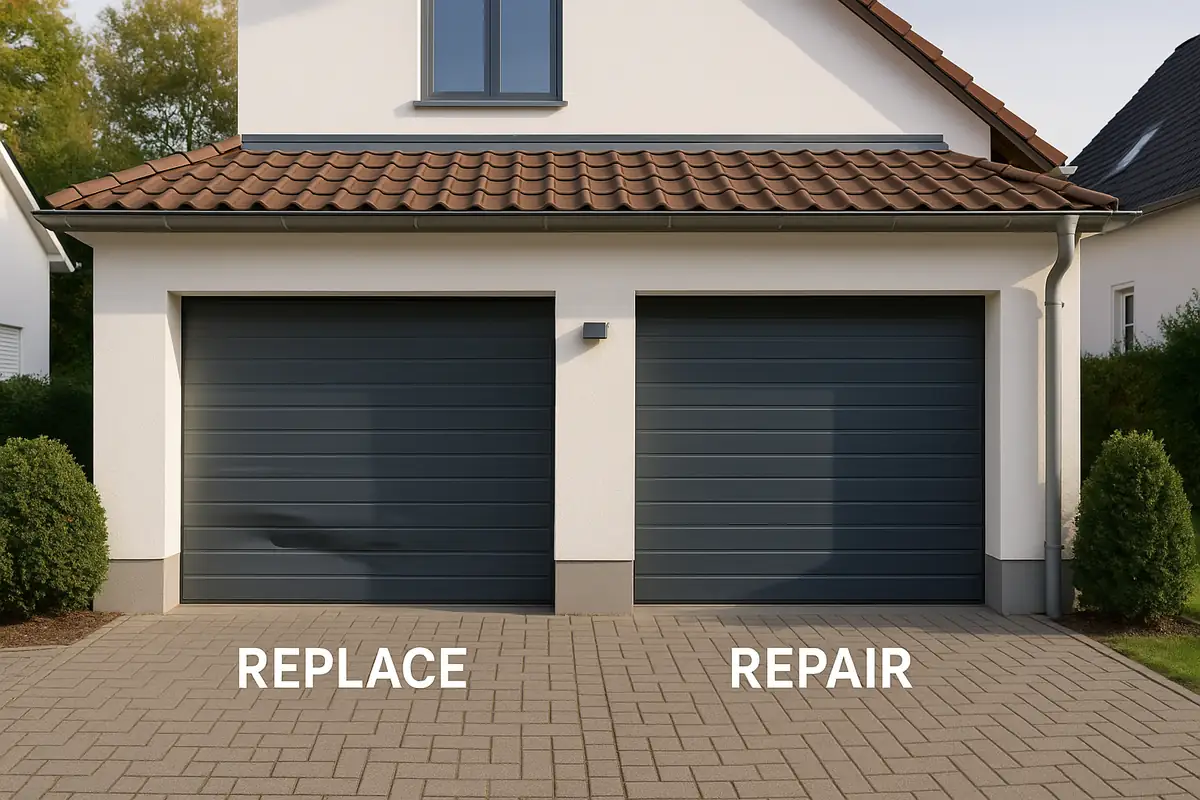
- Spring Replacement: Replacing springs can be dangerous due to the amount of tension they hold. It’s best left to a pro.
- Complex Repairs: If you notice any significant issues beyond typical maintenance, consult a garage door expert.
Statistics to Consider
Understanding the importance of garage door spring maintenance can be reinforced by some industry statistics:
- Approximately 30% of garage door repairs are related to springs.
- The average lifespan of a garage door spring is around 10,000 cycles, which equates to about 7-9 years for most households.
Conclusion: Keep Your Garage Door Safe and Functional
Maintaining your garage door springs is more than just a good practice; it’s essential for safety and functionality. Regular inspections, lubrication, and timely repairs can extend the lifespan of your door and prevent costly repairs down the line. If you're in San Francisco, CA, and need expert assistance, contact Able Garage Door Repair today for a professional inspection and maintenance service!
Explore More Resources
Related Articles
Service Areas
We proudly serve San Fransisco.
Our Services
Professional garage door repair, spring repair, opener installation and more. View all services →